Creative Process
Creative Process
The creative process is how artists develop ideas into finished artworks through research, experimentation, making and reflection. Artists approach the creative process in different ways, testing materials and technologies, responding to unexpected results and adapting ideas as their work develops. Collaboration, place and experimentation can also influence how an artwork takes shape.
Explore how artists develop ideas, experiment with different approaches and navigate the process of creating new work.
How do artists develop an idea into a finished artwork?
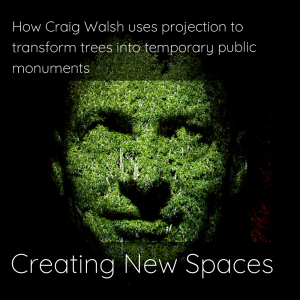
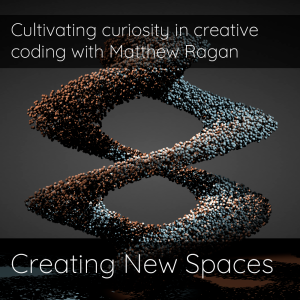
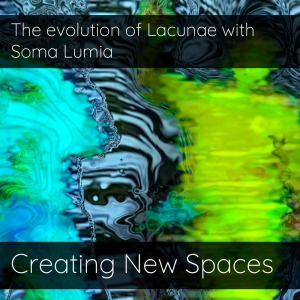
Artists develop ideas through research, making, testing and repeatedly refining the work. Across Creating New Spaces, there is rarely a single path from initial concept to finished artwork. Craig Walsh’s Monuments evolved through decades of experimentation with projection, while Soma Lumia refined Lacunae as its creative and technological possibilities became clearer. Matthew Ragan approaches creative coding through curiosity and exploration, and Daniele Hopkins and Kyle Duffield use prototyping and iteration to develop Schwister. The finished artwork often emerges through making rather than being completely defined at the beginning.
How do experimentation and unexpected results shape the creative process?
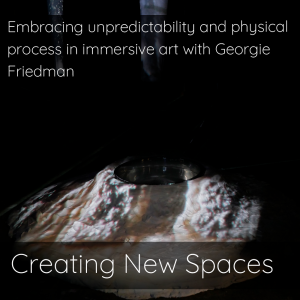
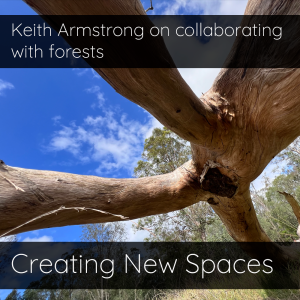
Experimentation allows artists to discover possibilities that could not always be predicted during planning. Georgie Friedman deliberately works with unpredictable physical processes, while Bego M. Santiago experiments with liquid screens and Yizhen Li explores the behaviour and imagery of lava. Keith Armstrong also allows forests and ecological processes to influence how his work develops. Across these practices, unexpected results can become creative opportunities rather than problems to eliminate. Artists observe what happens, respond to discoveries and adjust their ideas, allowing experimentation to influence both the process and the final artwork.
How do artists adapt their creative process when working with technology, materials and space?