Art and Technology
Art and Technology
Art and technology explores how artists use digital tools, electronic systems and emerging technologies as part of their creative practice. Artists work with technologies such as sensors, software, projection, sound and interactive systems to experiment with new ways of making and experiencing art. Technology can become a creative material, a tool for developing ideas or an integral part of how an artwork responds to its audience and environment.
Explore how artists combine technology with physical materials and spaces to create new artistic experiences.
How do contemporary artists use technology in their creative practice?
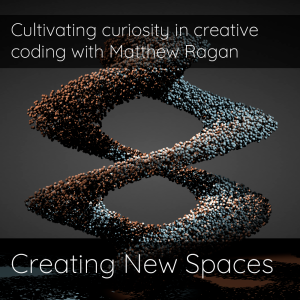
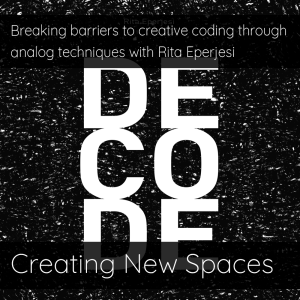
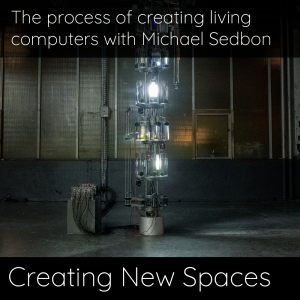
Contemporary artists use technology as both a creative tool and a material for exploring ideas. Across Creating New Spaces, Matthew Ragan and Rita Eperjesi explore creative coding, Seph Li works with generative systems, and Michael Sedbon combines biological and computational processes to create living computers. Other artists work with projection, sensors, sound and interactive systems. Technology can help artists generate, test and develop ideas while creating artworks that respond to audiences, data or their environments.
How can artists combine physical materials with digital technology?
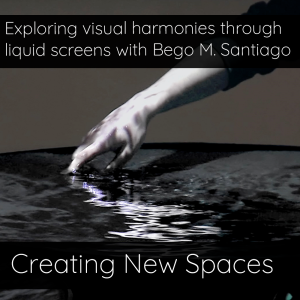
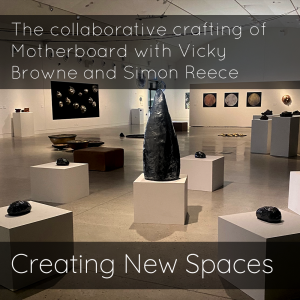
Artists combine physical and digital elements by connecting materials, objects and spaces with technologies such as projection, software, sensors and electronic systems. Bego M. Santiago projects imagery onto liquid screens, while Alex Moss and Maggie Jeffries bring painting and digital media together within a shared practice. Motherboard by Vicky Browne and Simon Reece similarly brings physical and technological processes into the same artwork. Combining these elements allows artists to explore relationships between tangible materials and digital behaviours rather than treating physical and digital media as separate forms.
How does technology influence the way an artwork is created and experienced?