Installation Art
Installation Art
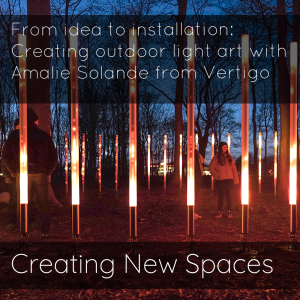
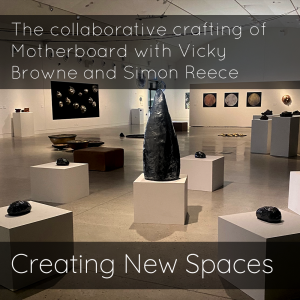
Installation art transforms spaces into artistic experiences, bringing together physical environments, materials, sound, light, projection and digital technologies. Artists create installations by considering how different elements work together within a space and how audiences move through, perceive and interact with the work. Installations can be immersive, interactive, site-specific or responsive to their surroundings.
Explore how artists develop installation art and use space, technology and different media to shape audience experiences.
What is installation art?
How do artists create installations that transform the experience of a space?
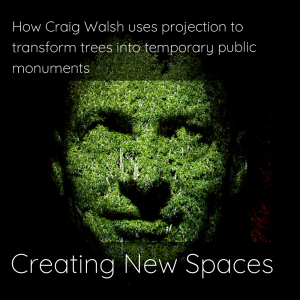
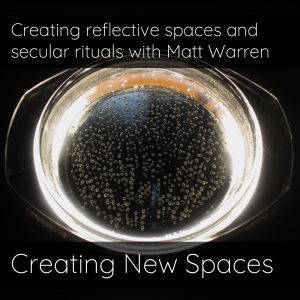
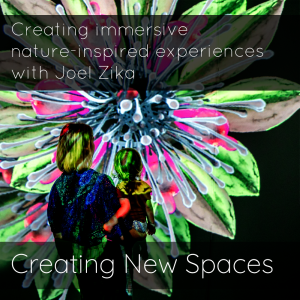
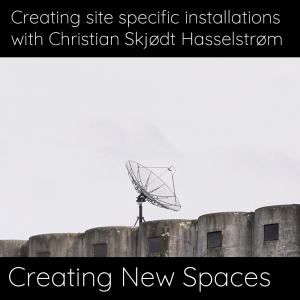
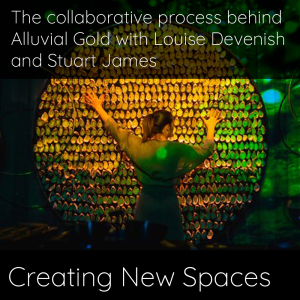
Artists transform spaces by considering how audiences move through, perceive, and respond to an environment. Craig Walsh uses projection to turn trees into temporary public monuments, while Matt Warren uses sound and installation to create reflective spaces. Johan F. Karlsson and Christian Skjødt Hasselstrøm respond directly to the characteristics of particular sites, and Joel Zika draws on natural environments to develop immersive experiences. Through scale, placement, light, sound, materials, and movement, artists can alter how a familiar space is perceived and encourage audiences to experience it differently.
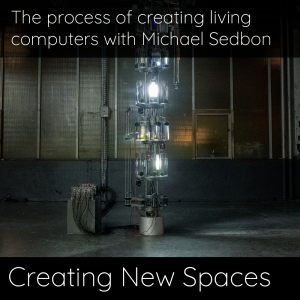
How are technology, sound, projection and interaction used in installation art?