Interactive Art
Interactive Art
Interactive art invites audiences to participate in an artwork, allowing their actions, movements, or choices to influence how the work responds and unfolds. Artists use technologies such as sensors, sound, projection, and digital systems to design meaningful interactions between people, artworks and spaces. The way an audience participates can become an essential part of the artwork itself.
Explore how artists design audience interactions and use technology to create responsive and participatory experiences.
What is interactive art?
How do artists design meaningful audience interactions?
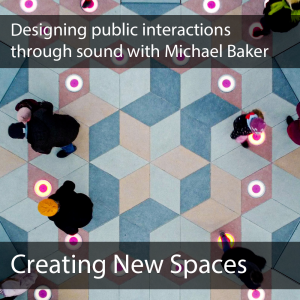
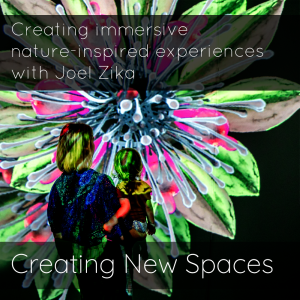
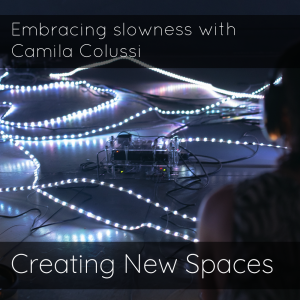
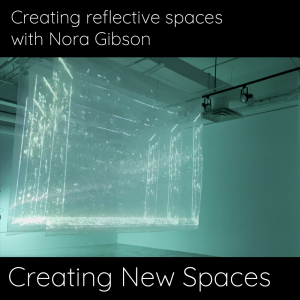
Artists design meaningful interactions by considering what they want audiences to do, notice, feel, or discover through an artwork. Across Creating New Spaces, interaction can involve movement, sound, touch, participation, or simply spending time with a responsive environment. Michael Baker explores how sound can encourage playful interactions between people in public spaces, while Camila Colussi uses interaction to invite audiences to slow down. Works by Soma Lumia, Joel Zika, and Nora Gibson similarly show how interaction can shape the audience’s experience rather than being added as a technical feature.
How can technology make an artwork interactive?
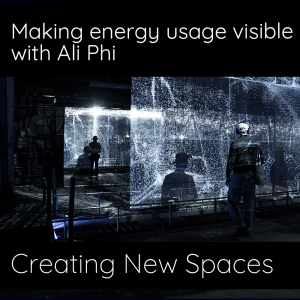
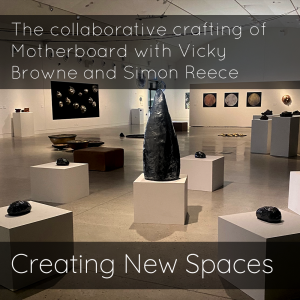
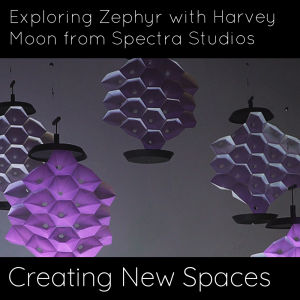
Technology can make an artwork interactive by allowing it to sense and respond to people or changes in its environment. Artists use technologies such as sensors, cameras, sound systems, lighting, projection, and software to connect audience actions with changes in an artwork. Ali Phi makes energy use perceptible through responsive media, while Motherboard by Vicky Browne and Simon Reece brings physical and technological systems together. In works by SPEKTRA, Harvey Moon and Daniele Hopkins and Kyle Duffield, experimentation and prototyping help artists refine how technological responses become meaningful parts of the audience experience.