Sound art
Sound Art
Sound art uses sound as an artistic medium to shape how audiences experience spaces, environments and ideas. Artists work with field recordings, acoustic environments, spatial audio, technology and physical materials to create sonic experiences. Sound can respond to a particular site, encourage audience interaction or reveal aspects of an environment that might otherwise go unnoticed.
Explore how artists use sound to transform spaces and create interactive and site-specific experiences.
What is sound art?
How do artists use sound to transform spaces and audience experiences?
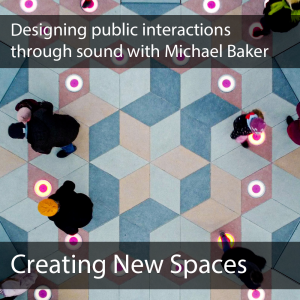
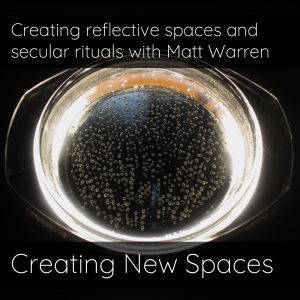
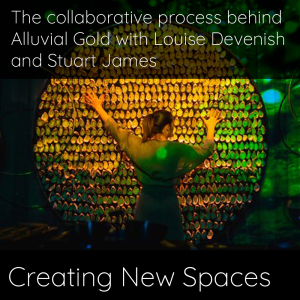
Artists use sound to change how audiences perceive, navigate and connect with a space. Sound can draw attention to particular locations, create atmosphere or encourage audiences to listen differently to their surroundings. Michael Baker uses sound to create playful public interactions, while Matt Warren develops contemplative environments through sound and installation. Louise Devenish and Stuart James bring sound, performance and visual elements together in Alluvial Gold. By controlling where sound comes from, how it changes and how audiences encounter it, artists can reshape the experience of a physical space.
How can sound be used in interactive and site-specific installations?
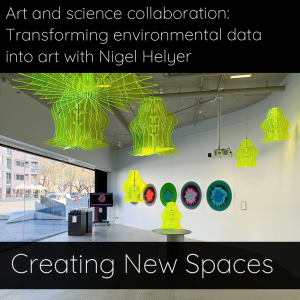
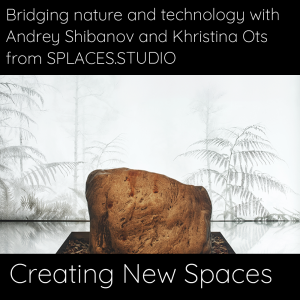
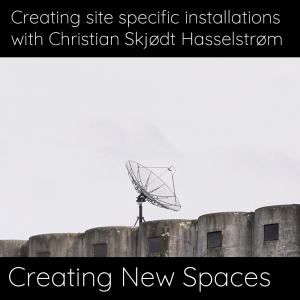
Sound can become interactive or site-specific when it responds to people, technologies or the characteristics of a particular environment. Michael Baker explores interactive sound systems that encourage public participation, while Christian Skjødt Hasselstrøm develops installations in direct response to their locations. Andrey Shibanov and Khristina Ots connect nature and technology, and Nigel Helyer works with environmental research and data as creative material. These approaches allow sound to reveal aspects of a place, respond to audience behaviour and create relationships between people, technology and their surroundings.