Site Specific
Site Specific
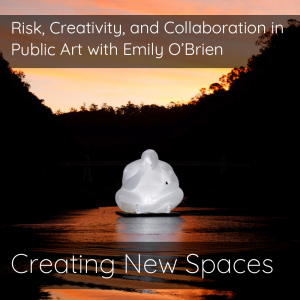
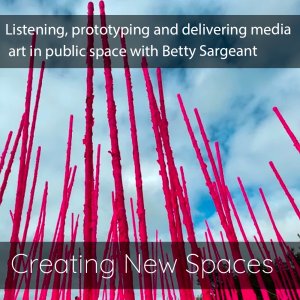
Site-specific art is created in response to a particular place, with the location becoming an important part of the artwork’s meaning and experience. Artists working with site-specific art respond to architecture, natural environments, histories, and communities. The qualities and constraints of a place can influence creative decisions, materials, technologies and how audiences experience the work.
Explore how artists respond to place and create installations shaped by, and connected to, their surroundings.
What is site-specific art?
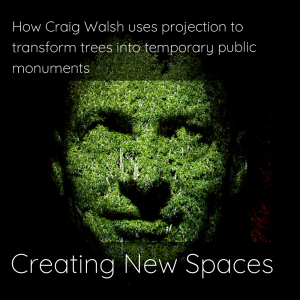
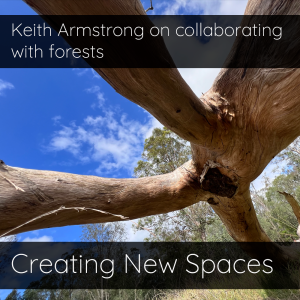
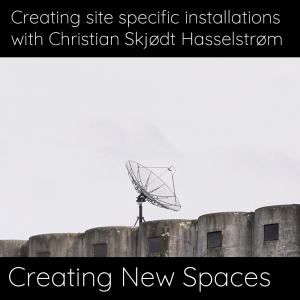
Site-specific art is created in response to a particular place, with the location becoming an important part of the artwork. Across Creating New Spaces, artists work with natural environments, public spaces, architecture, and local communities rather than treating a site simply as a backdrop. Craig Walsh projects portraits directly onto trees, Keith Armstrong develops artworks through engagement with forests, and Christian Skjødt Hasselstrøm creates installations shaped by their surroundings. The site can influence the artwork’s form, materials, technology, meaning and how audiences experience it.
How does a site influence the development of an artwork?
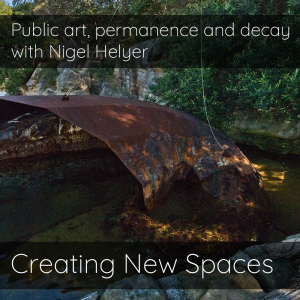
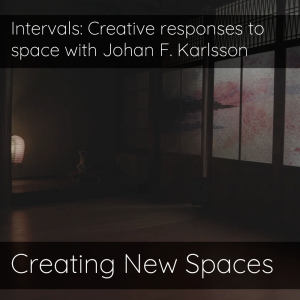
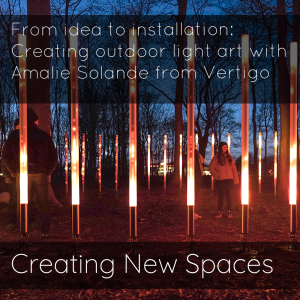
A site can shape an artwork from its initial concept through to its installation and ongoing life. Artists consider factors such as scale, light, sound, weather, movement, available infrastructure, and how people use the space. Nigel Helyer’s public artworks respond to their physical environments and expected lifespans, while Amalie Solande’s outdoor light works must operate within the practical conditions of public spaces. Johan F. Karlsson similarly explores how creative decisions emerge through direct responses to space. Working with a site often requires artists to adapt their ideas as they learn more about the location.
How do artists respond to the architecture, environment and history of a place?